
Most of the names we use for game pieces, or moves or the overall ways of playing a game, are metaphors of concepts used originally in warfare, politics, social organization, cultural interactions, economic activities and every day life.
— Apostolos Spanos, Games of History: Games and Gaming as Historical Sources
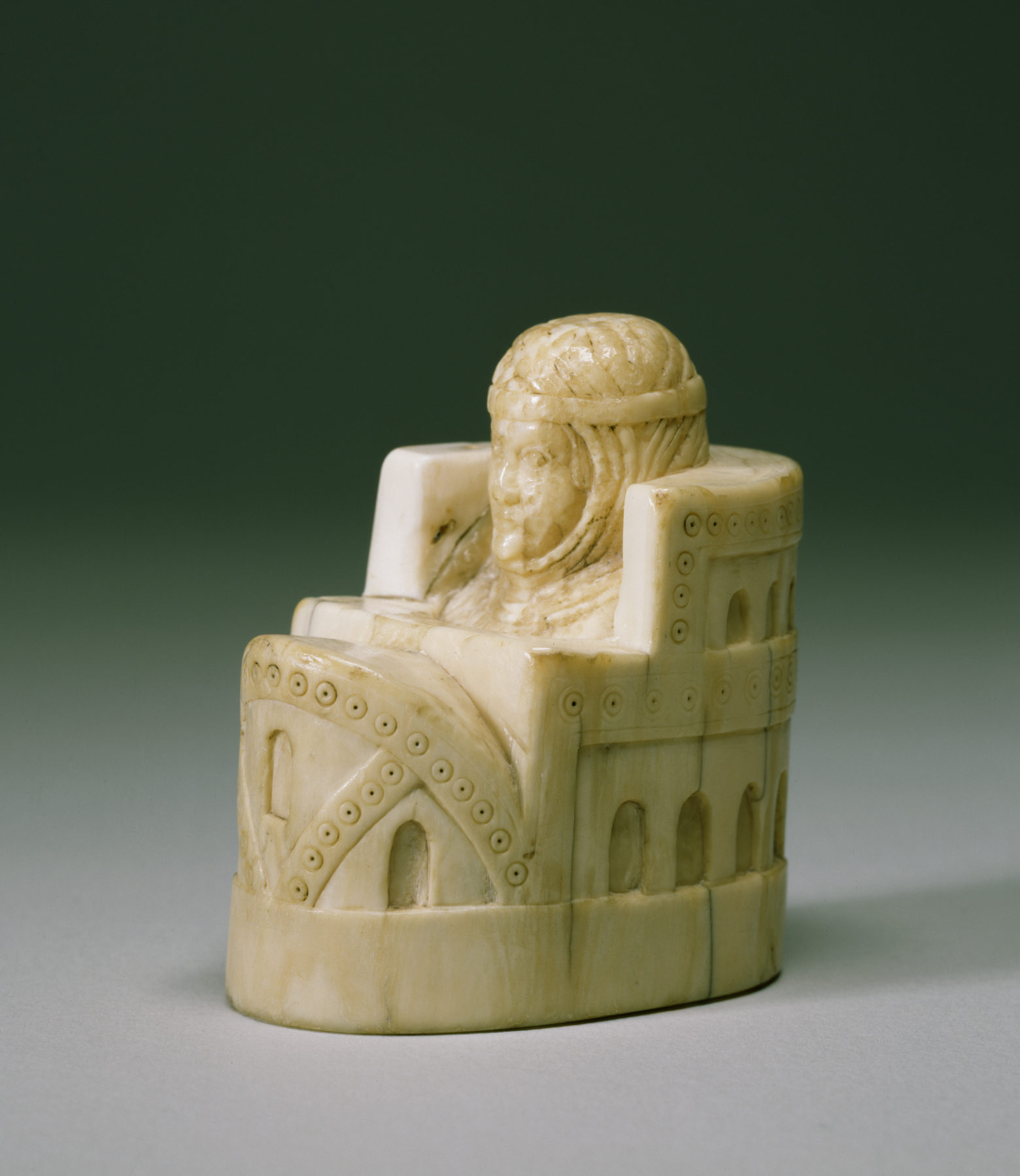
Games reflect elements of the human condition, and a game, such as chess, with longstanding widespread popularity echoes the worldviews and intricacies of cultures around the globe — past and present — that can be studied and better understood through play.
Chess existed by the 7th century but is thought by many historians to have been invented in northern India before then. From there, it traveled west to Persia and Mesopotamia and also to the east. A Chinese version of the game existed by 800 CE, and the game traveled through Korea to Japan, where a version is played under the name Shogi. By the end of the first millennium, chess reached Europe through the Arab conquests in Western Europe and in Byzantium through contact between the Muslim world and Byzantine.
As the game was adopted by diverse cultures, it gained special significance and absorbed an assortment of cultural symbolism and traits that hallmark it as unique. For example, standard modern-day chess sets typically depict abstract pieces, figures with no particular resemblance to people or animals, which is a lasting medieval Muslim adaptation of the game that was established to avoid idolatry. Chess also was vastly used as a war game. It reflected Indian metaphysical perceptions of the world, with the gameplay representing combat between the powers of light (devas/angels) and the powers of darkness (asuras/demons). In Europe, chess was an aristocratic pastime that later got passed down to knights. A good knight in Spain was expected to have chess as one of his skill sets. The game also carried romantic connotations in Europe, being used as a metaphor for the etiquette of courtly lovers. Chess was significant for intellectuals as well. In China, chess was viewed as being important for scholarly development.
The connotations and symbolism behind chess are absolutely not limited to what is listed above. What other meanings can you discover within chess? What does your exploration teach you about cultures throughout the world? Chess provides an invaluable testimony on cultural transmission that itches for its stories to be told.
More on chess around the globe…

Persian Chess
On the Eastern Origins of Chess Though the exact origin of chess has for some time been contested, many have convincingly argued that based on archaeological and etymological evidence, chess originated in India as a war game called chaturanga around the 6th century CE. Called caturaṅga in Sanskrit, the word derives from catuh, meaning “four”…

 Medieval Dayraven